

Reformed Systematic Theology, Volume 1: Revelation and God
Original price was: $57.00.$28.50Current price is: $28.50.
The aim of systematic theology is to engage not only the head, but also the heart and hands. Only recently has the church compartmentalized these aspects of life–separating the academic discipline of theology from the spiritual disciplines of faith and obedience. This new multi-volume work brings together rigorous historical and theological scholarship with spiritual disciplines and practicality–characterized by a simple, accessible, comprehensive, Reformed, and experiential approach. In this volume, Joel R. Beeke and Paul M. Smalley explore the first 2 central themes of theology: revelation and God.
Table of Contents
Abbreviations
Tables
Preface
Part 1: Prolegomena: Introduction to Theology and the Doctrine of Revelation
Analytical Outline: Prolegomena
Section A: Introduction to Theology
- What Is Theology? Part 1: An Academic Discipline
- What Is Theology? Part 2: A Spiritual Discipline
- Who Does Theology? Where? When?
- Which Theology Do We Do? Part 1: Christian, Catholic, Evangelical
- Which Theology Do We Do? Part 2: Reformed: Historical, Confessional, Theological, and Hermeneutical Perspectives
- Which Theology Do We Do? Part 3: Reformed: Polemical and Experiential Perspectives
- Why Do We Do Theology?
- How Do We Do Theology? Part 1: Spiritual Dynamics
- How Do We Do Theology? Part 2: Academic Methods
Section B: The Doctrine of Revelation
- Theological Fundamentals of Divine Revelation
- General Revelation, Part 1: Biblical Teaching
- General Revelation, Part 2: Philosophy and Science
- General Revelation, Part 3: Natural Theology and Theistic Arguments
Excursus: Some Historical Perspective on Natural Theology and Theistic Proofs
- Special Revelation: Biblical Teaching
- Errors Regarding Special Revelation, Part 1: Romanism and Liberalism
- Errors Regarding Special Revelation, Part 2: Liberalisms Offspring
- The Bible as the Word of God
- The Properties of the Written Word, Part 1: Authority and Clarity
- The Properties of the Written Word, Part 2: Necessity, Unity, and Efficacy
- The Properties of the Written Word, Part 3: Inerrant Veracity
- The Properties of the Written Word, Part 4: Objections to Inerrancy
- The Properties of the Written Word, Part 5: Sufficiency
- The Cessation of Special Revelation, Part 1: Charismatic Continuationism
- The Cessation of Special Revelation, Part 2: Prophecy Today
- Applied Revelation for Practical Fruit
Part 2: Theology Proper: The Doctrine of God
Analytical Outline: Theology Proper
Section A: The Doctrine of Gods Triune Glory
- Introduction: The True Knowledge of God
- Introduction to Gods Nature and Attributes, Part 1: Biblical Teaching
- Introduction to Gods Nature and Attributes, Part 2: TheologicalIssues
- The Name of the Lord (YHWH)
- The Holiness of the Lord
- Gods That Are Not God
- Gods Spirituality
- Gods Simplicity: The Lord Our God Is One Lord
- Gods Infinity, Part 1: Incomprehensibility, Aseity, and Immensity
- Gods Infinity, Part 2: Eternity: Infinity with Respect to Time
Excursus: Problems of Time and Eternity
- Gods Immutability, Part 1: Biblical Teaching
- Gods Immutability, Part 2: Theological Questions
- Gods Knowledge, Part 1: Omniscience and Wisdom
- Gods Knowledge, Part 2: Foreknowledge
- Gods Sovereignty: An Introduction to Omnipotence
- Gods Moral Excellence, Part 1: Goodness and Love
- Gods Moral Excellence, Part 2: Truth and Righteousness
- Gods Moral Excellence, Part 3: Jealousy, Impassibility, and Joy
- Gods Moral Excellence, Part 4: Wrath and Compassion
- The Trinity, Part 1: Biblical Teaching
- The Trinity, Part 2: Historical Development
- The Trinity, Part 3: Theological and Practical Considerations
Section B: The Doctrine of Gods Sovereign Purpose
- The Decree of God: General Considerations
- Predestination, Part 1: Election and Reprobation
- Predestination, Part 2: Historical Development through Reformed Orthodoxy
- Predestination, Part 3: Questions and Uses
- Gods Providence, Part 1: Biblical Teaching
- Gods Providence, Part 2: Problems and Applications
Section C: The Doctrine of Angels and Demons
- The Holy Angels of God
- Satan and the Demons
Bibliography
General Index
Scripture Index
7 Things We Can Learn from the Puritans
Why Pastors (And All of Us) Should Read the Puritans
How to Study Scripture Theologically
What Makes the Reformed Systematic Theology Series Unique
The Goal of Reformed Systematic Theology
Related products
-
Sale!

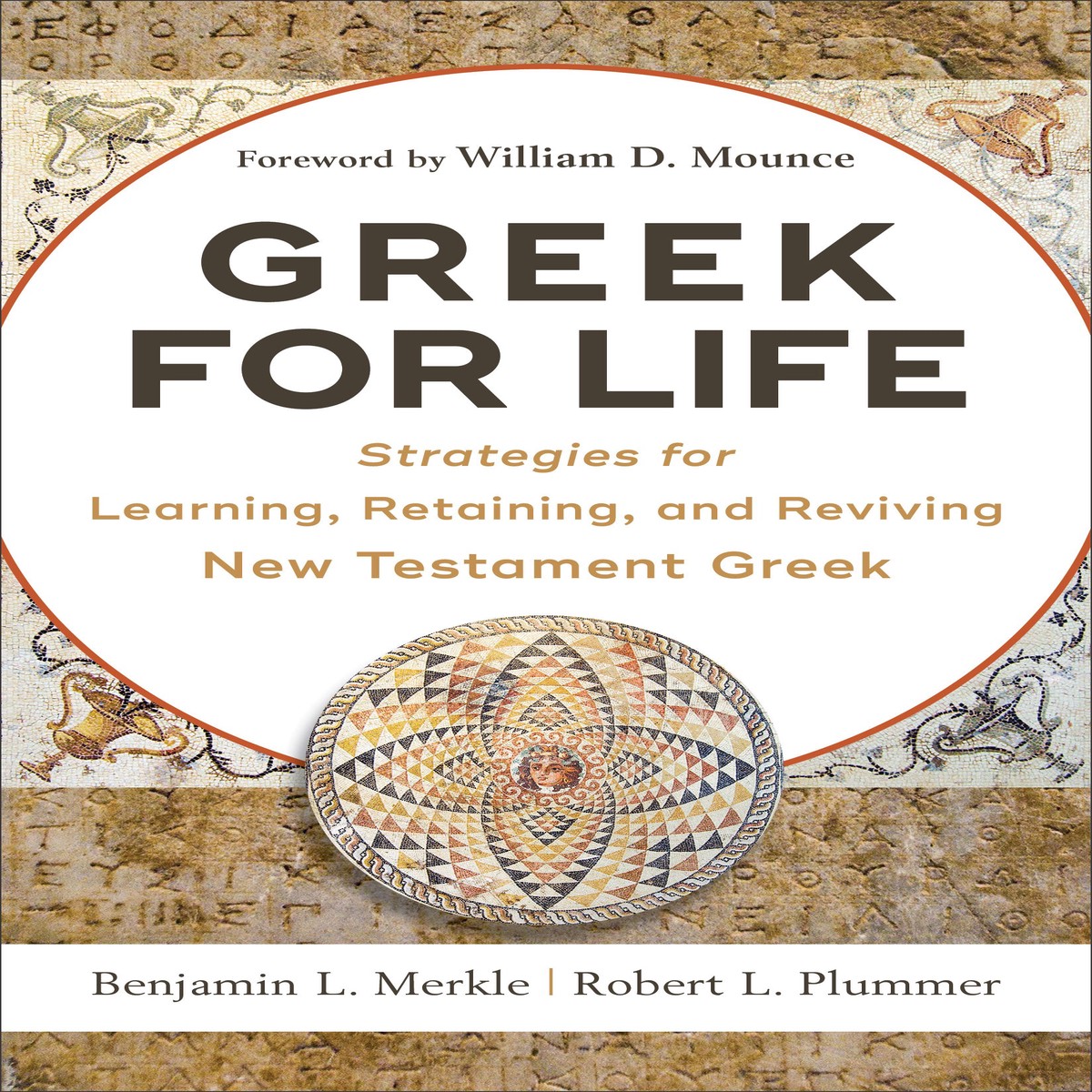
Greek for Life: Strategies for Learning, Retaining, and Reviving New Testament Greek
Original price was: $20.89.$16.71Current price is: $16.71. -
Sale!
His Grace Is Enough Board Book
Original price was: $10.44.$8.35Current price is: $8.35. -
Sale!
He Gives More Grace: 30 Hope-Filled Reflections for the Ups and Downs of Motherhood
Original price was: $16.14.$12.91Current price is: $12.91. -
Sale!
Gus Gets Badgered: When You Meet a Bully
Original price was: $16.14.$12.91Current price is: $12.91.



Reviews
There are no reviews yet.