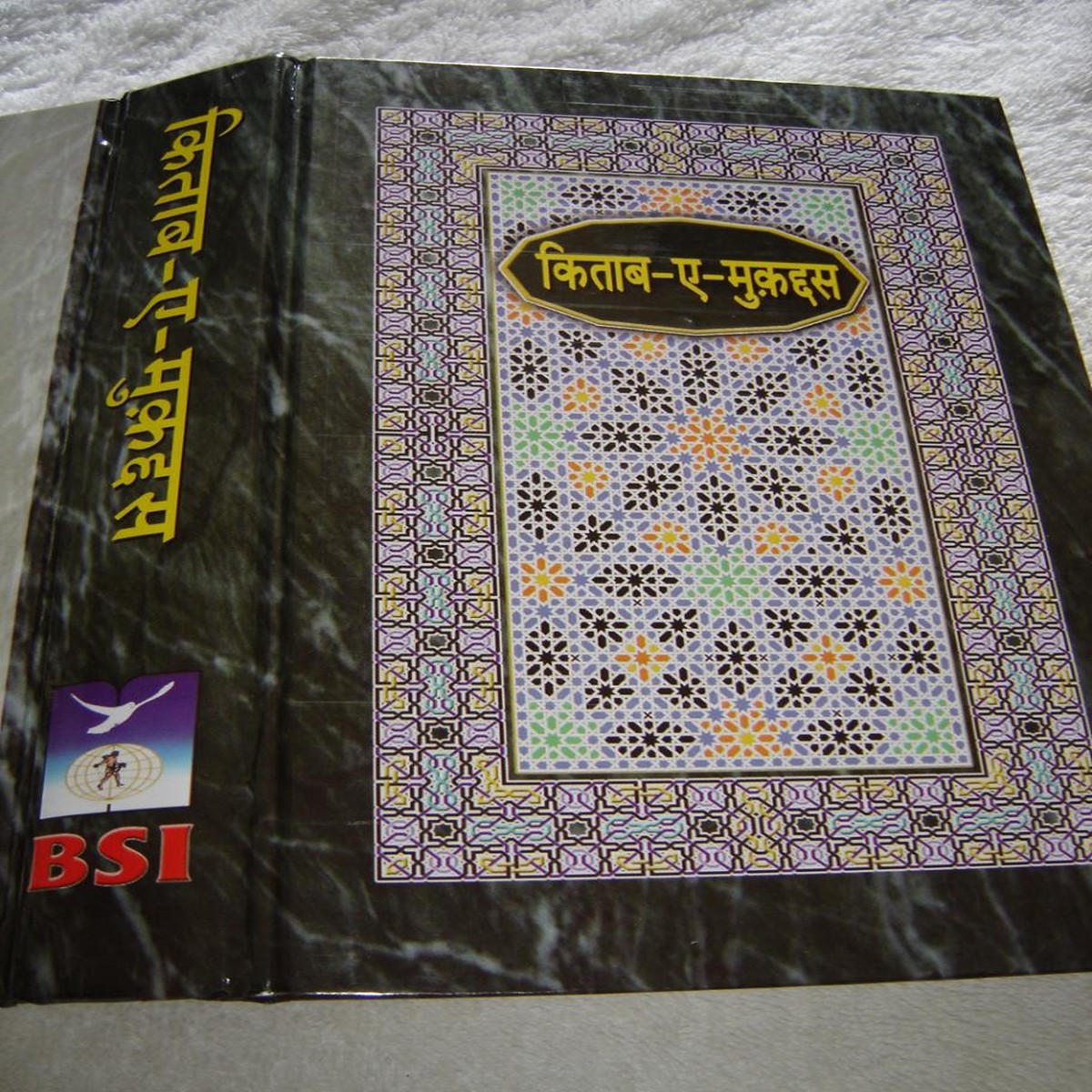
Urdu (Devanagari Script) Holy Bible: Stained Glass Theme with Charcoal-Grey Background
Original price was: $35.99.$28.79Current price is: $28.79.
Urdu (Devanagari Script) Holy Bible: Stained Glass Theme with Charcoal-Grey Background / Hardcover EditionAuthor: The Bible Society of IndiaBinding: HardcoverEdition: 2014Publisher: The Bible Society of IndiaLanguage: Urdu (with HindiUrdu transliteration)ISBN: 8122129331ISBN-13: 978-8122129335 / 9788122129335Overview / The Urdu (Devanagari Script) Holy Bible features a stunning stained glass theme against a charcoal-grey background, making it a beautiful addition to any collection. This edition is specially designed to accommodate both Urdu readers and those familiar with Hindi through its transliteration. With its elegant presentation and faithful translation, this Bible serves as a valuable resource for personal study and communal worship. ( ) Product Features / Stunning Design: Features a unique stained glass theme, combining artistry and spirituality. : Hardcover Binding: Durable and elegant, ensuring longevity and ease of use. : HindiUrdu Transliteration: Aids readers in understanding the Urdu text through Hindi phonetics, enhancing accessibility.- : Publishers / The Bible Society of IndiaHashtags: #UrduHolyBible #StainedGlassBible #HindiUrduTransliteration #BibleSocietyOfIndia #ChristianLiterature# # #HindiUrdu (Devanagari: -, Nastaliq: -) (also known as Hindustani) is the lingua franca of modern-day Northern India and Pakistan (together classically known as Hindostan). Modern Standard Hindi is officially registered in Indian Republic as a standard written using Devanagari script, and Urdu is officially registered in Pakistan as a standard written using extended Perso-Arabic script.HindiUrdu transliteration (or Hindustani transliteration) is essential for Hindostani speakers to understand each other’s text, and especially important since the underlying language of both the Hindi & Urdu registers are almost the same. Transliteration is theoretically possible because of the common Hindustani phonology underlying Hindi-Urdu. In present day, the Hindustani language is seen as a unifying language, as initially proposed by Mahatma Gandhi to resolve the HindiUrdu controversy. (“Hindustani” is not to be confused with followers of Hinduism, as ‘Hindu’ in Persian means ‘Indo’)Technically, a direct one-to-one script mapping or rule-based lossless transliteration of Hindi-Urdu is not possible, majorly since Hindi is written in an abugida script and Urdu is written in an abjad script, and also other constraints like multiple similar characters from Perso-Arabic which map onto a single character in Devanagari. However, there have been dictionary-based mapping attempts which have yielded very high accuracy, providing near-to-perfect transliterations. For literary domains, a mere transliteration between Hindi-Urdu will not suffice as formal Hindi is more inclined towards Sanskrit vocabulary whereas formal Urdu is more inclined towards Persian and Arabic vocabulary; hence a system combining transliteration and translation would be necessary for such cases.In addition to Hindi-Urdu, there have been attempts to design Indo-Pakistani transliteration systems for digraphic languages like Sindhi (written in extended Perso-Arabic in Sindh of Pakistan and in Devanagari by Sindhis in partitioned India), Punjabi (written in Gurmukhi in East Punjab and Shahmukhi in West Punjab), Saraiki (written in extended-Shahmukhi script in Saraikistan and unofficially in Sindhi-Devanagari script in India) and Kashmiri (written in extended Perso-Arabic by Kashmiri Muslims and extended-Devanagari by Kashmiri Hindus).
Related products
-
Sale!

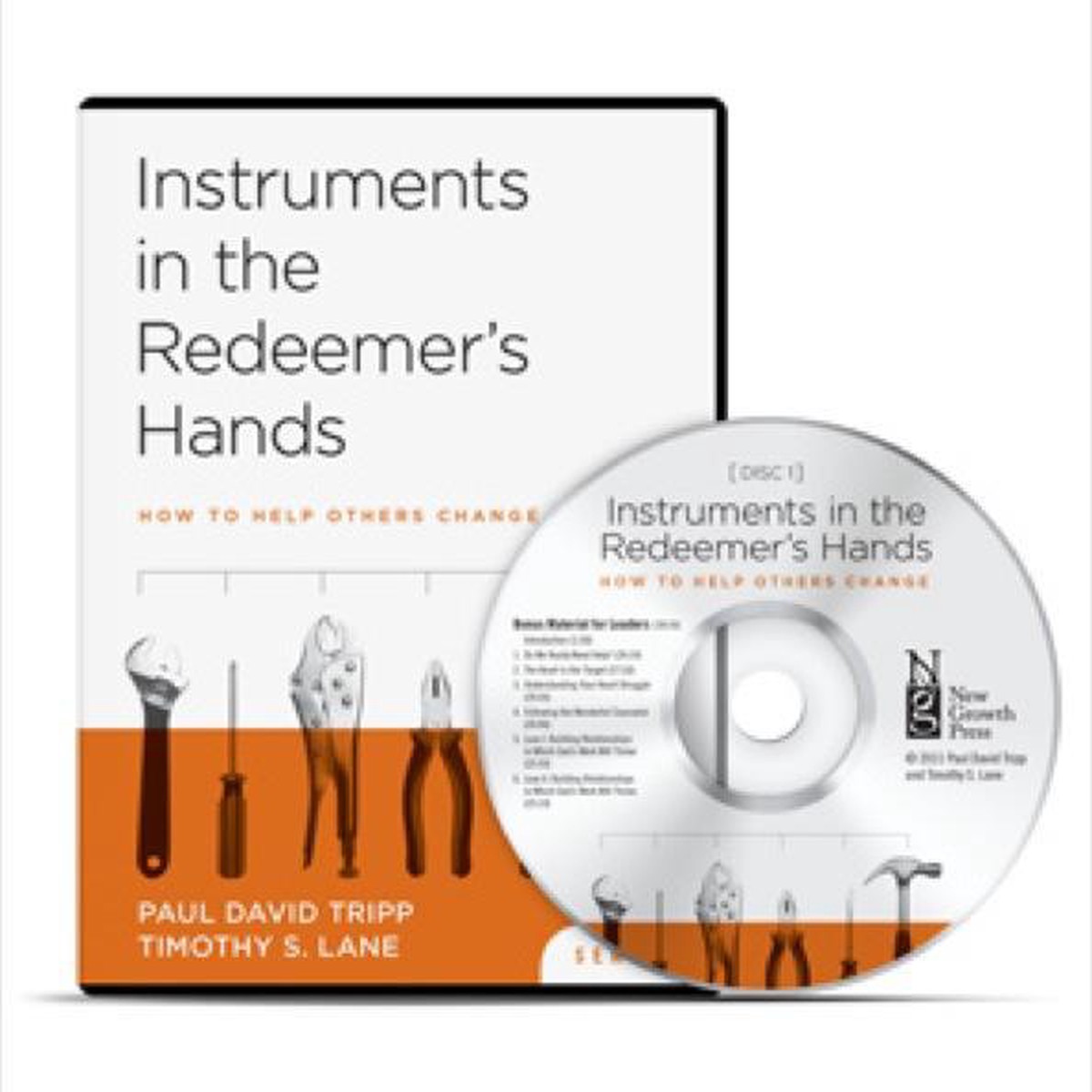
Instruments in the Redeemer&rsquos Hands: How to Help Others Change (DVD Seminar)
Original price was: $123.49.$61.75Current price is: $61.75. -
Sale!
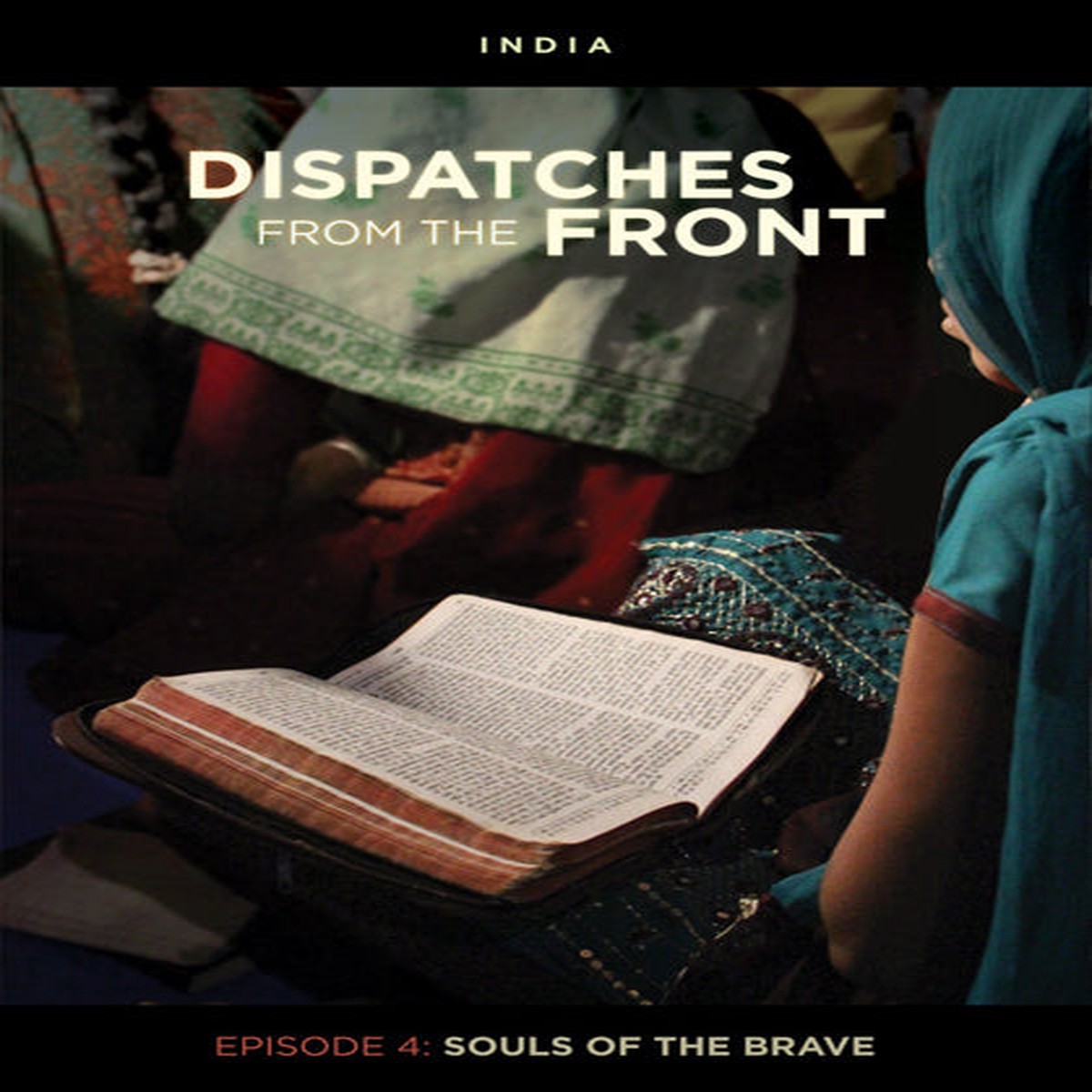
Souls of the Brave: India (Dispatches from the Front Episode 4) (DVD)
Original price was: $14.25.$11.40Current price is: $11.40. -
Sale!
Scroll Less, Live More: 10 Healthy Tech Habits for Teens
Original price was: $14.24.$11.39Current price is: $11.39. -
Sale!
Sermon on the Mount, DVD
Original price was: $45.60.$36.48Current price is: $36.48.

Reviews
There are no reviews yet.